Agents for Your Teaching

The interesting teaching use case for AI is using agents to build custom learning experiences: simulations, live-data activities, and tools where students learn by doing.

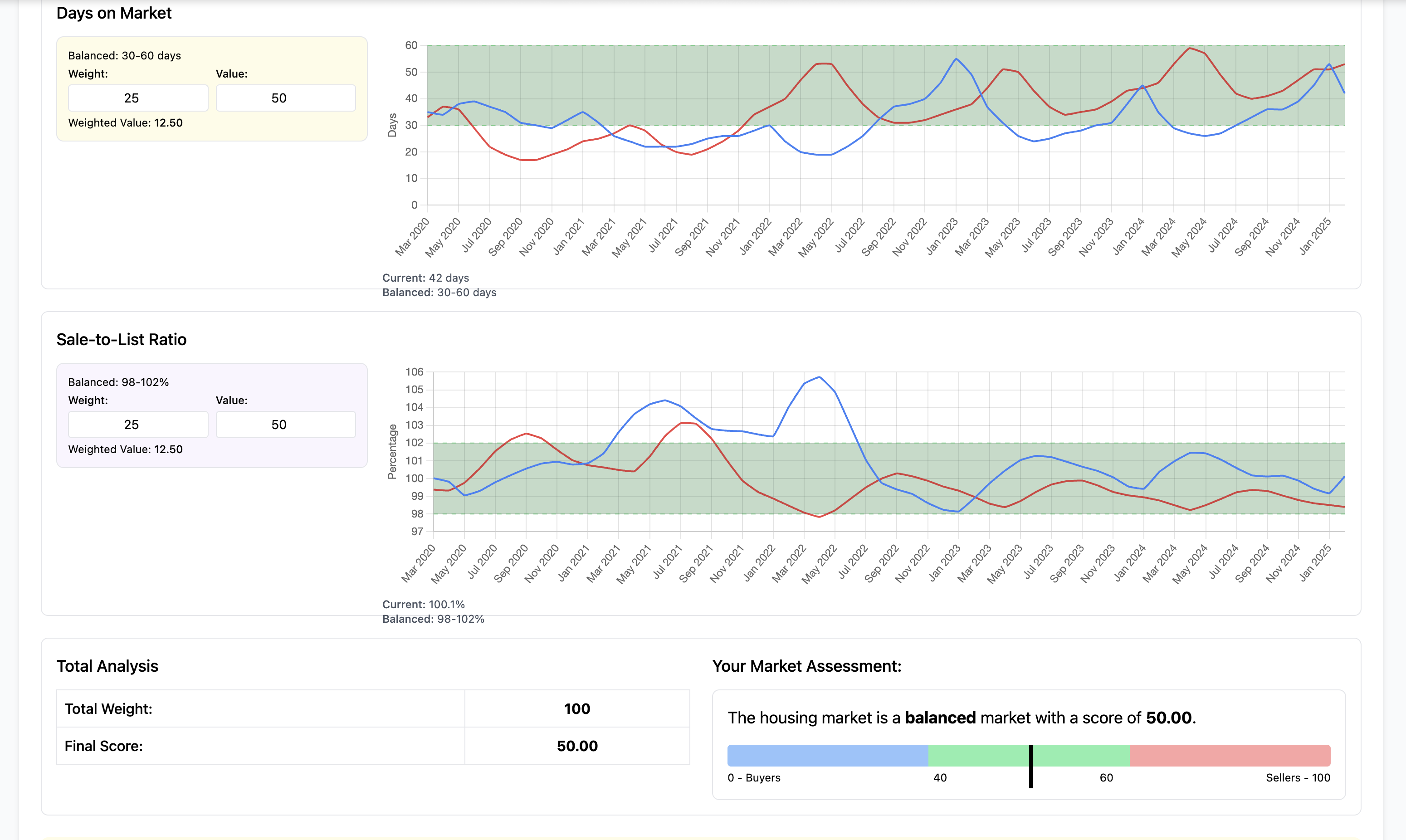
Matt Lang's Housing Market Activity

Visit the website

Course-specific web app for his Econ 2 class

Students upload real Redfin housing data and decide whether a state market looks healthy

After doing their own analysis, students run the same task through AI and compare the reasoning

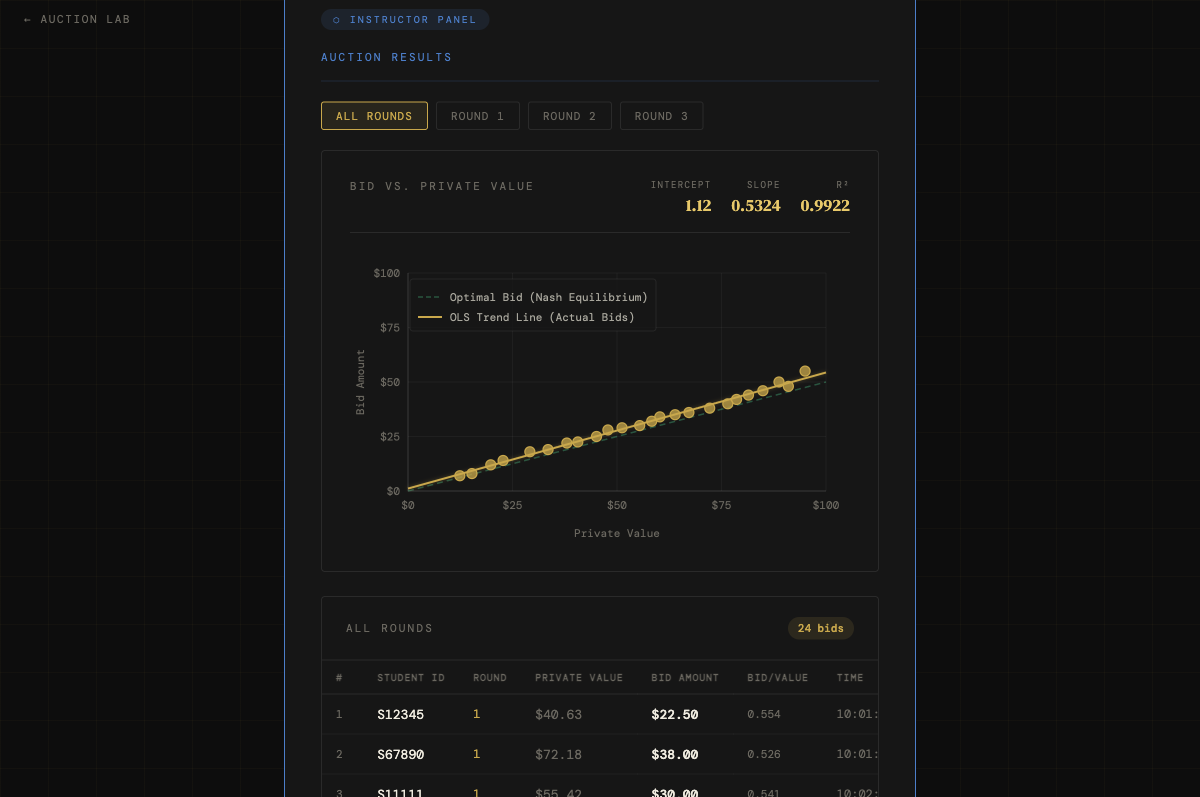
Rod Garratt's Auction Lab

Visit the website

Course-specific web app for his Econ 177 auction class

Students bid in a live auction and generate real class data in the room

The app compares their actual bidding behavior to the model in real time

Solow Growth Model

The fundamental equation of motion: Δk = sf(k) − (δ + n)k

Δk =· k^− (+) · kk* = 5.15

Phase diagram — capital per worker

sy (investment)
(δ+n)k (depreciation)
y = k^α (output)

sSavings rate

Share of output saved and invested each period.

0.30

dDepreciation

Fraction of capital that wears out each period.

0.08

nPopulation growth

New workers dilute capital across a larger workforce.

0.020

aCapital share

Elasticity of output with respect to capital.

0.33

k* steady state

5.15

y* output

1.72

c* consumption

1.20

golden rule s

33%

Saving too little. With s below α, the economy under-invests. Higher savings lowers consumption today but raises long-run output and consumption.

hovered k

investment

break-even

net Δk

Transition path to steady state

Starting k₀ =15

Capital, output, and consumption over time

capital (k)
output (y)
consumption (c)
5 / 12